AGP Executive Report
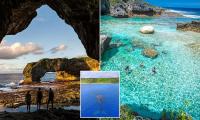
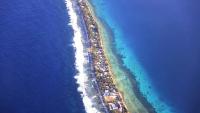
Last update: 9 hours agoPacific Resilience: The Asian Development Bank’s 2026–2030 strategy includes Niue among 12 Pacific countries, with a focus on climate resilience, sustainable infrastructure and services suited to small, dispersed communities. COP31: Pacific leaders are pressing for climate finance and a stronger role in global decisions, while warning that vulnerable communities still struggle to secure resources for adaptation. Niue Conservation: A new travel feature highlights the island’s rare honeybee population, whole-island Dark Sky recognition and whale encounters, drawing attention to the nature that makes Niue distinctive. Ocean and Fisheries: Pacific fishers face shifting fish populations and more dangerous weather, renewing calls for local communities to have greater say and support in managing coastal waters.
Note: AI summary from news headlines; neutral sources weighted more to help reduce bias in the result. Feedback is welcome. Please let us know if you have any comments or suggestions about the AGP Executive Report.
 Perspectify News